You've got a CAD file. You need parts. A quick Google search returns dozens of 3D printing services, all promising fast turnaround and great quality. How do you choose?
Not all 3D printing services are created equal. The right choice depends on what you're making, what you need it for, and how important factors like turnaround, quality, and communication are to your project.
This guide walks through what to evaluate when choosing a 3D printing partner, whether for a one-off prototype or ongoing production.
1. Technology Options
Different 3D printing technologies produce dramatically different results. A service's technology offerings determine what they can (and can't) deliver.
Core Technologies to Look For
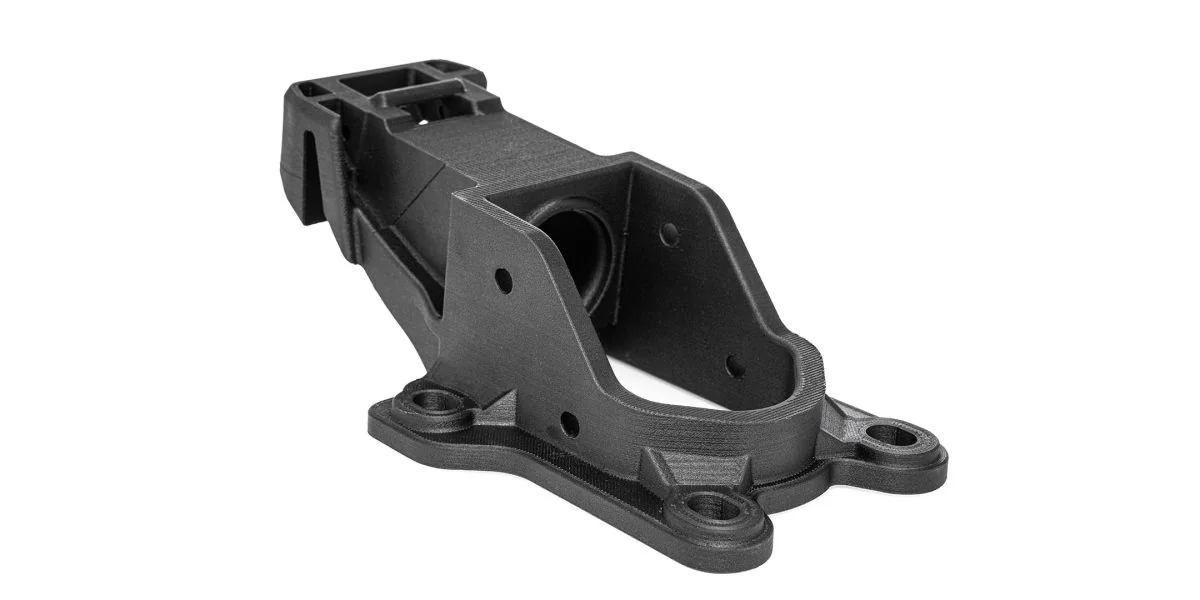
- FDM: Functional parts, enclosures, fixtures. Wide material range, cost-effective.
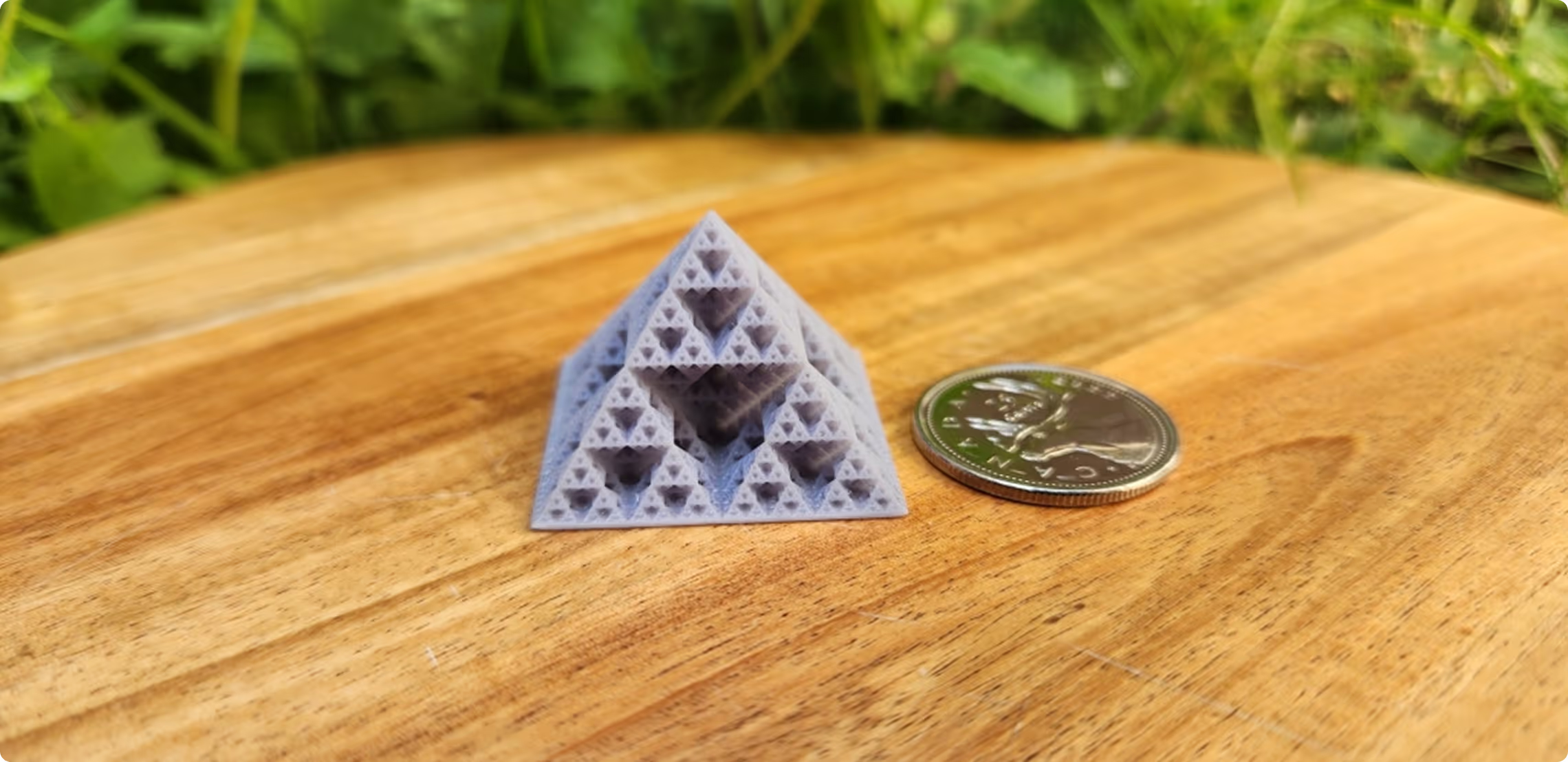
- SLA: Smooth surfaces, fine detail. Visual prototypes, patterns, precision fits.
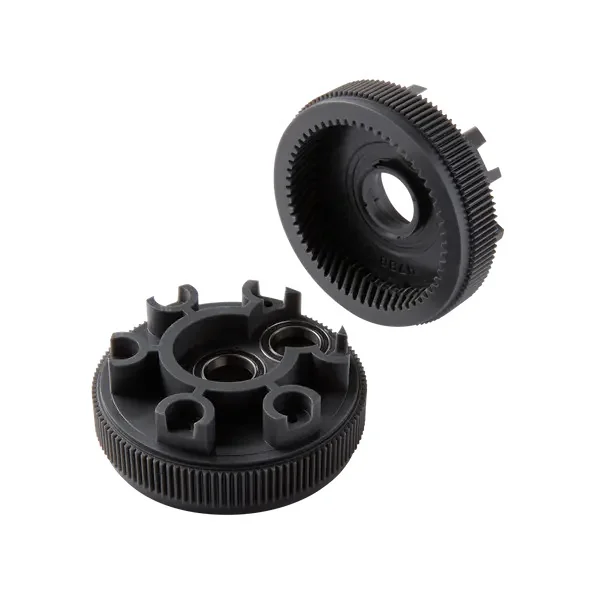
- SLS: Durable nylon parts without support structures. Complex geometries, functional testing.
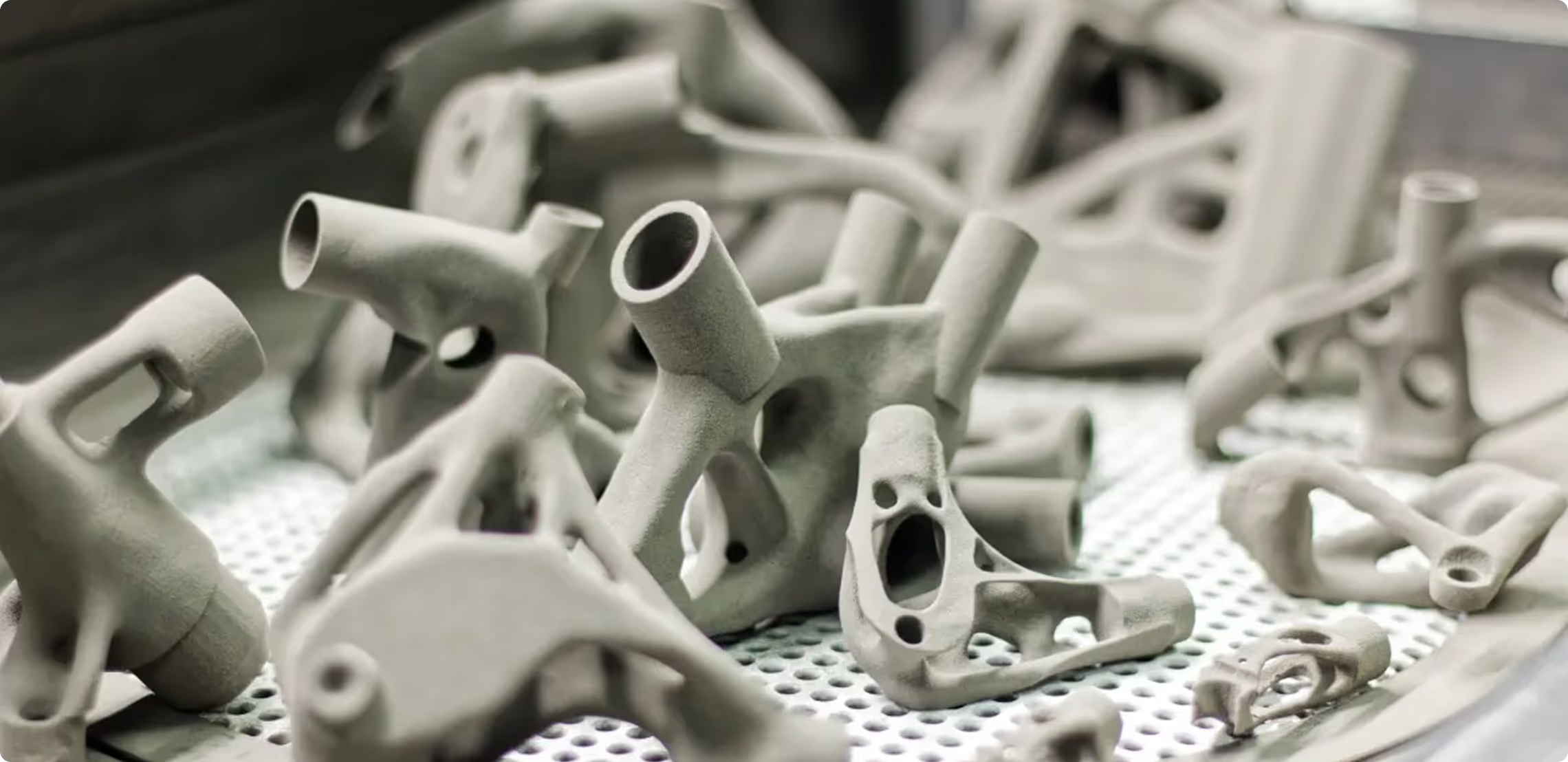
- Metal (DMLS/SLM): Production-grade metal parts. Aerospace, medical, high-performance applications.
A service that only offers FDM might be fine for jigs and fixtures, but won't help when you need a presentation-quality prototype. Look for partners who can advise on the right technology for your application.
2. Material Selection
Materials matter enormously. The properties of your printed part depend primarily on what it's made from.
Good 3D printing services offer:
- Commodity plastics: PLA, PETG, ABS for general-purpose parts
- Engineering plastics: Nylon, polycarbonate, PEEK/PPS for demanding applications
- Fiber-reinforced: Carbon fiber and glass fiber composites for strength-to-weight
- Flexible materials: TPU and other elastomers for gaskets, grips, vibration dampening
- Specialty resins: High-temp, castable, clear, durable for SLA applications
Beyond variety, look for services that can advise on material selection. "Which material should I use for outdoor exposure at 80°C?" should get a helpful answer, not a blank stare.
3. Turnaround Time
Lead time can make or break a project. Consider:
- Standard turnaround: What's normal? 2-5 business days is competitive. 2+ weeks is slow.
- Rush options: Can they expedite when you need it? At what cost?
- Reliability: Do they actually hit their quoted dates? Check reviews.
- Communication: Will you know if there's a problem before the deadline passes?
If you're in an iteration cycle, a service that delivers in 2 days lets you test three designs in a week. A service that takes 10 days means you test one.
4. Quality & Consistency
This is harder to evaluate before you've worked with someone, but there are signals:
- Case studies: Do they show actual work? Can you see the quality?
- Reviews: What do customers say about part quality and dimensional accuracy?
- Equipment: Industrial machines generally produce more consistent results than desktop printers
- Inspection: Do they check parts before shipping? Offer measurement reports?
For production applications, consistency matters as much as absolute quality. Can they deliver identical parts order after order?
5. Communication & Support
When something goes wrong (such as a file issue, a material question, or a design concern), how responsive is the service?
Good indicators:
- File review: Do they look at your files before printing and flag potential issues?
- Human contact: Can you talk to someone? Or is everything automated emails?
- Design feedback: Will they suggest improvements or just print whatever you send?
- Problem resolution: When issues arise, how do they handle it?
The big online services often struggle here. They're optimized for volume, not relationship. For complex projects, a partner who knows you and your applications provides significant value.
6. Pricing Structure
Price isn't everything, but it matters. Look beyond the headline number:
- Transparency: Can you understand what you're paying for? Or is it a black box?
- Minimums: Are there order minimums? Per-order fees?
- Setup costs: One-time charges for new projects?
- Volume pricing: Does the price come down for larger quantities?
- Shipping: Is it included? How much for expedited?
The cheapest quote isn't always the best value. A slightly higher price with faster turnaround, better communication, and reliable quality often costs less in the end.
7. Additional Services
Some projects need more than just printing. Services that offer complementary capabilities can simplify your workflow:
- CAD design: Can they create or modify designs for you?
- 3D scanning: Reverse engineering from physical objects?
- Post-processing: Painting, finishing, vapor smoothing?
- Assembly: Can they combine multiple parts or add hardware?
- Other manufacturing: CNC, laser cutting, injection molding for when you scale?
A full-service partner means fewer vendors to manage and smoother handoffs between project phases.
8. Location & Logistics
Where the service is located affects more than shipping costs:
- Time zone alignment: Can you communicate during business hours?
- Local pickup: For urgent projects, can you pick up in person?
- Customs/tariffs: International services may have hidden costs and delays
- IP protection: Different jurisdictions have different legal frameworks
A local or domestic service often provides advantages beyond just shipping time.
Red Flags to Watch For
Warning signs that a service might not meet your needs:
- No human contact: Purely automated with no way to ask questions
- Vague specifications: Can't or won't explain tolerances, materials, or processes
- Unrealistic promises: Prices or turnaround times that seem too good to be true
- No examples: No case studies, photos, or portfolio of past work
- Poor reviews: Consistent complaints about quality, timing, or communication
Making Your Choice
For most projects, here's a practical approach:
- Start with requirements: What technology and materials do you need? What's your timeline?
- Short-list 2-3 services: Based on capabilities and reviews
- Get quotes: Submit your actual files and compare pricing, timing, and responsiveness
- Test with a small order: Before committing to a big project, try a sample
- Evaluate the experience: Quality, communication, and timing, in addition to the quality of the parts
The best 3D printing service is the one that delivers what you need, when you need it, with clear communication and consistent quality. Sometimes that's the cheapest option. Often it isn't.
We're Here to Help
At Morin 3D, we believe the right partner makes all the difference. We're not the right fit for every project, but we'd be happy to discuss yours and give you an honest assessment of whether we can help.
Upload your files for an instant quote, or contact us to discuss your requirements.